Casual Reviews of Movies, Music, and Literature

Saturday, July 20, 2013

10 WORST "Best Movies"

Okay, okay - so the title of this post is a tad convoluted. The phrase "Worst 'Best'" is absurd. I get it. In fact, if I could think up a better title, I'd definitely use it. But here we are. Sorry.

Essentially, this is a list of ten films that I hate (hence the "worst" part of my title). Yet, these are movies that are widely known as classics - they've raked in millions of dollars, had many critics swooning, appear on "Best Of..." lists, and won plenty of awards (hence the "best" part of my title). In my opinion, these are the bloated carcasses that float face-down atop our contemporary film canon. These are the "classic" movies that I feel are overrated, over-appreciated, and over-celebrated. For the most part, I think they suck. So, I guess it's time to dive in headfirst. The list will be presented in alphabetical order, and you'll find NO SPOILERS HERE. I promise.  

- Avatar (2009): There's no better place to start than this - full of technical innovations, nominated for nine Oscars, and the highest grossing movie of all time. I'll admit: at face value, this is a terrific film. Unfortunately that's all this schlock-heap actually is - face value. After the first few scenes whiz by, during which it's impossible not to gawk at all the pretty colors and glowing things, it becomes apparent that the film is a tiresome cliche. The plot? It's called Dances With Wolves (or Pocahontas, or The Last Samurai, or whatever). The characters? A hero without an ounce of charisma, a villain lacking any motivation whatsoever, and a love interest naive enough to be suckered into it all. Riveting. Remember when good science fiction had to be thematically rich? When you'd sit around for hours contemplating 2001: A Space Odyssey, when you'd rewind and re-watch the final scene in A Clockwork Orange just to puzzle it all out? Even sci-fi classics heavy on the action, like T2 and The Matrix, still have ideas ripe for the plucking, still engage the intellect alongside the imagination. Nope. Not with Avatar, though. Why write an intriguing plot when you can have big explosions? Why create engaging characters when you have gluttonous 3-D? Why have challenging themes and ideas when you can simply tell the audience what to think? This movie is incredibly disappointing. It doesn't matter how realistic it looks, how fully-realized the setting seems. The millions of dollars and years of hard work can't make it more than it is. This is a movie of cardboard. Thin. Flimsy. Nothing more.         

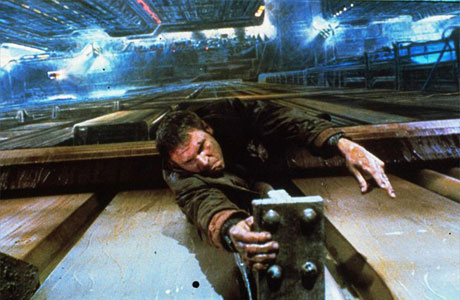
- Blade Runner (1982): I've watched this movie three times. Each time I want to like it, I want to see it the way so many others do: as a masterpiece of science fiction, an experimental film noir, a cerebral thriller. Alas, on three separate occasions, I have not. Yes, the set design is lovely. Yes, Harrison Ford does a terrific job. But why are we all so infatuated with this movie? Why do we insist upon labeling it a classic? Well, I think any film that spends as much time brooding as this one does, we tend to view as deep, or emotional. But is it? So our hero is troubled, does that make him more dimensional than any others? More frustratingly, the narrative is a convoluted mess. In terms of plot, it doesn't just twist and turn, but does nauseating loops. In terms of theme, it bounces between contrasting influences and ideas. Some movies pull this off admirably, all of David Lynch's films spring to mind, but the delivery here is so dull, the pacing practically static. This is my biggest complaint: Blade Runner is SO BORING. When character motivations are muddled, when the plot is dank and unknown, then the action ceases to be interesting. Maybe if I watched this movie another three times (or three-hundred times, for that matter) it would start to be enjoyable. For now, though? I'm done trying. Blade Runner can keep its pseudo-intellectualism and its down-trodden demeanor. I'd rather watch Star Wars any day of the week.     

- Breakfast at Tiffany's (1961): Breakfast at Tiffany's is widely regarded as a lovely little romantic comedy, one that examines love and friendship in a quirky, flirtatious way. To me, it's a bland film. The pacing is mild, the performances mediocre, and the writing is perfectly humdrum. The dialogue tries so hard to be sparkling and witty, but comes off cheap and unrealistic. Even the color palette, with its pale pinks and soft yellows, feels numb. Everything about this movie is lukewarm. Everything, that is, except the overwhelming racism dashed into the mix. For those of you who don't know, an Asian "character" is played by none other than Mickey Rooney, who milks the offensive stereotype for all it's worth. So, if mediocrity splashed with overt racism is what you're after, then look no further. This is a movie that has not aged well, but then again, it wasn't good from the start, so I guess I'm not surprised.   

- Gladiator (2000): "Are you not entertained?!" No, Mr. Crowe, I am not. I don't care how many weapons you swing. I don't care how many foes you defeat. This movie is a Roman chariot with a bum wheel - sure, it takes you from points A to B, but the ride is uncomfortable and inescapably slow. As our chiseled hero, Russel Crowe glowers through every scene, frowning as hard as he can, refusing to exude any range of human emotion. And you know what's most aggravating about it all? Crowe won an Oscar for "Best Actor" because of this. Not from A Beautiful Mind or The Insider (he's fantastic in both of these, by the way), but from Gladiator. It's really hard to comprehend. The only salvageable performance here is from Joaquin Phoenix as the slithery villain, Commodus. Unfortunately, this is the movie's only highlight. The rest of the film is typified by poorly staged action sequences, uninspired cinematography, and a gaggle of actors who all seem to be sleepwalking. If you're into historical epics, especially ones set in ancient Rome, then watch Spartacus - it's spectacular.         

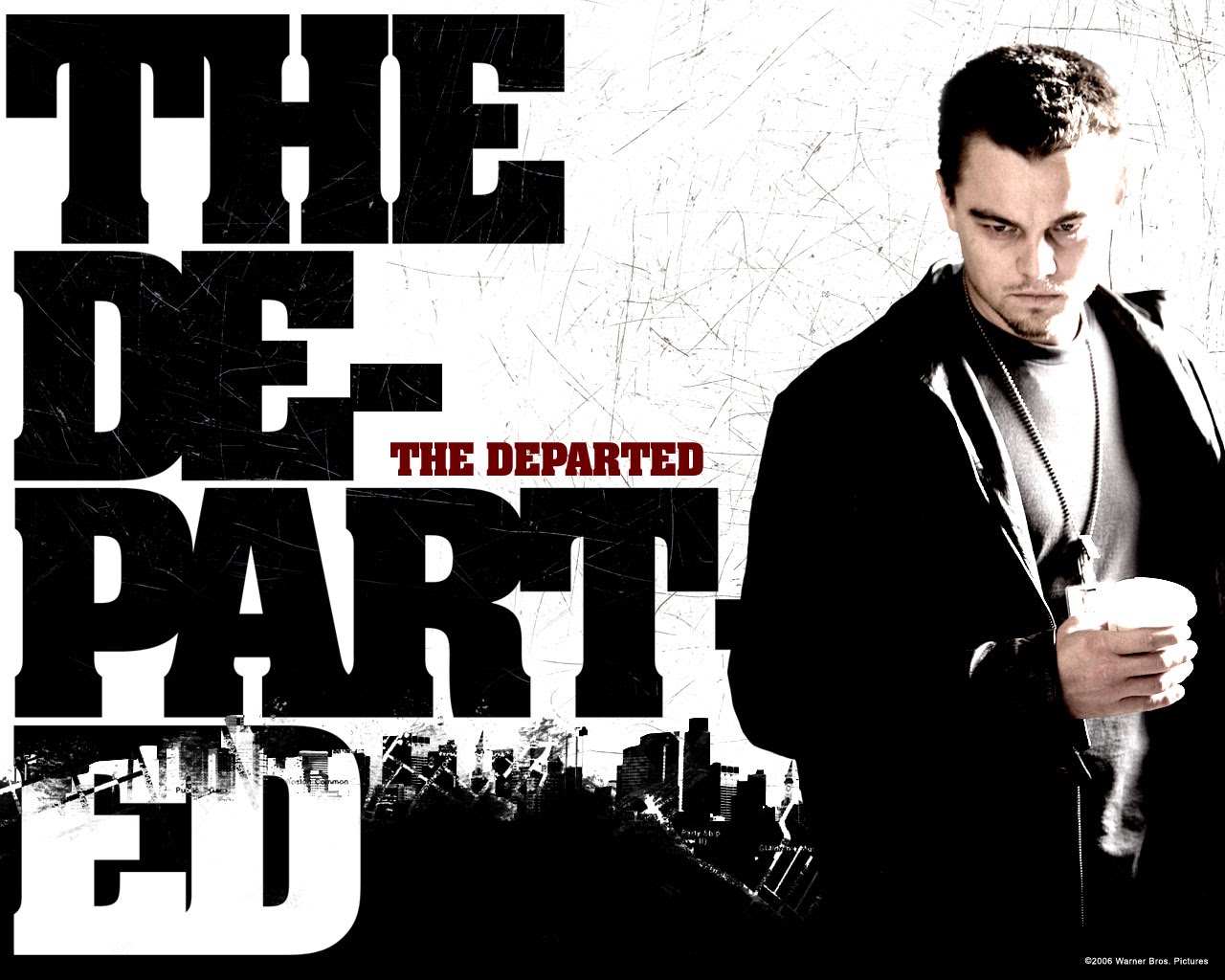
- Heat (1995): Again, I'm baffled why so many people like Heat. It's about three hours long, full of terrible storylines (a few of which go nowhere), lacks a single likeable character, and has a cliched climax to boot. Hooray. To detail and describe each of its specific flaws would take pages, so I'll merely touch on a few of the miscalculations I find most amusing: -- 1.) After sitting through a lengthy montage in which our master thieves are planning an elaborate bank robbery, the actual heist ends with our criminal masterminds walking out the front door...in broad daylight...without masks of any kind. Is this supposed to be ironic? Tongue-in-cheek? I doubt it. The film takes itself too seriously to have a sense of humor. What a ridiculous moment. -- 2.) Apparently the L.A.P.D. is unaware of public safety, because many officers in this movie shoot endless rounds of ammunition from very big, very loud guns, in very public areas. I understand in movies you often have to suspend your disbelief, but seeing our hero detective (played by Al Pacino) sprinting down a busy city street shooting wildly at the bad guys is absurd. Keep in mind, this extensive shootout is cut with scenes of civilians fleeing for their lives. Does Detective Pacino see the innocent people he's endangering? Do any of the cops in this movie realize how reckless they're being? This is just awful. -- 3.) For whatever reason, the movie has an inane subplot about a serial killer who murders prostitutes. It serves no purpose (apart from a misguided sense of complexity), and gets even worse when a haphazard attempt is made to tie it to the main story. It's silly, superfluous, and just plain dumb. -- In no way whatsoever is this a great crime drama. If you want a new classic, go watch The Departed or The Usual Suspects or The Dark Knight. Save yourself three hours of aggravation and skip Heat. I mean it.         

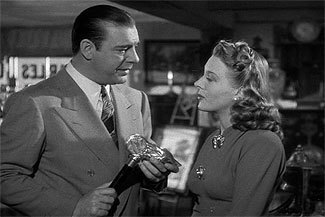
- The Lady Eve (1941): This is a screwball romantic comedy from the 40s, so it's filled to the brim with goofiness. Regrettably, it's the goofiness that is this film's undoing. Random cases of mistaken identity hijack the plot, misunderstandings run rampant, and endless hijinks ensue. Due to the incessant calamity that is constantly underway, the movie is emotionally distant. It becomes impossible to engage anything on an emotional level because the humor is too over-the-top, the circumstances too outlandish. In the midst of all this nonsense is an excellent performance by Barbara Stanwyck, but unfortunately Henry Fonda is always there to spoil it. Too bad.   

- Solaris (1972): Solaris should have been my kind of movie. It's an intelligent sci-fi gem, heavy on atmosphere, saturated with stimulating concepts, and centered on a captivating main character. Here's my only real complaint about this classic movie: it is, without a doubt, one of the most boring films I've ever seen. It's dull, tedious, slow moving, and so on. An intellectual agenda is on display at all times, which means it feels more like a final exam than a movie. Each scene is a riddle, but they're unfortunately not very interesting riddles. While you struggle to decipher all the symbols and motifs, you'll notice the movie feels longer and longer. As an absorbing motion picture, I think it fails. As a cure for insomnia, it could be a monumental success.     

- Tron (1982): It's bright, shiny, colorful, technologically innovative, but totally lacking in heart. Herein lies the essence of Tron's failure. Not even Jeff Bridges, who is always awesome, could make it more than a vaguely amusing light show. It's a short film that feels hopelessly long. Perhaps this is because it's almost impossible to connect with the characters and situations, perhaps because beneath all those lovely colors is a shallow black emptiness. If you're intrigued by the premise, then watch the sequel Tron: Legacy instead. It is a far superior movie, one that better balances razzle-dazzle and emotionality. (As an added bonus, Legacy also has Jeff Bridges in a dual role! So righteous!)      

- The Untouchables (1987): If stripped of all the accolades and fanfare, The Untouchables would be a decent, albeit underwhelming, crime drama. The script is sparse but quick, the art direction is charming, and a few performances (notably those by Robert De Niro and Sean Connery) are quite entertaining. However, for all its critical acclaim and lasting influence, this movie is disappointingly sub-par. The film's director, Brian De Palma, is one big reason to blame. Scenes hustle by too quickly - the audience barely gets a chance to admire the scenery, or study the characters, or internalize the plot. Instead we're jostled hastily forward, skipping the artistry of it all and focusing solely on the bare bones at work. Yet, while De Palma glosses over the hard work of his crew, he dedicates focus and energy to celebrate himself. Directorial style can be a lovely thing when it harmonizes with the production, but in The Untouchables, the movie stops on a dime so our director can establish a not-so-subtle reference, or to inject some personal finesse that is ultimately unnecessary. It's jarring and counterproductive. But all of De Palma's stylistic hiccups pale in comparison to the film's primary problem: our central performance, played by Kevin Costner. This is a lifeless portrayal, one so wooden it practically blends in with the set decoration. Whenever a moment demands an authentic emotion, Costner stares blankly and speaks in monotone. It's laughable. Really. Even now, thinking about it makes me chuckle. I think the man is a pretty poor actor in general, but some movies can utilize Costner in agreeable ways (Man of Steel, for one). In The Untouchables, however, his inability to emote is in bloom. Watch and be astounded.   

- West Side Story (1961): Like a few of the movies on this list, West Side Story's biggest fault is all the awards and acclaim it won but didn't deserve. This is a completely functional motion picture. A few performances are nice, the set design is apt, the pacing is moderate, and the music is lovely. But to win 10 Academy Awards? To be so fondly and warmly received by critics? To be such an integral part of our pop culture? Hardly. This is a terribly forgettable film - one that epitomizes the phrase I employed earlier: "...overrated, over-appreciated, and over-celebrated." Folks, this is just not a very good movie. I'll admit, I'm not wild about the overriding choices at work here. Dancing as a substitute for gang violence and homicide? I'm sorry - call me cynical, call me narrow-minded, but I can't suspend my disbelief that much. The whole thing feels silly. It's unabashedly, fundamentally absurd. And wait, isn't this supposed to be a modernization of Romeo and Juliet? So why is the climax butchered? Why are so many of the film's basic components, like performances and choreography and dialogue, so excessive? I know it's a musical, but that doesn't mean it has to be so over the top. If you're seeking a good movie musical, I'd opt for Chicago, Little Shop of Horrors, or Singin' in the Rain. All of these movies are superb productions, and have a better grip on the mechanics and artistry required. But for West Side Story, it all feels fake. Something about it resonates flatly. My advice? Go see it on stage. In the theater, with a live orchestra playing and real people putting in an honest effort, it feels a little more alive.
 

Tuesday, July 9, 2013

100 Best Films Ever Made (2 Perspectives)

It's safe to say that I'm a "movie guy." Well, after a lifetime spent watching the silver screen (and the small screen), it was time to put together a retrospective. With the help of long-time buddy A. Trendy, we have each compiled what we feel to be are the 100 BEST FILMS EVER MADE. We attempted to be as objective as possible, and considered things like: lasting influence, cultural/aesthetic impact, overall creativity, and (of course) the "Big Four" - writing, acting, directing, and design. Below you will see our 2 lists running side-by-side. Let the record show that we only considered movies that WE HAVE ACTUALLY SEEN, so a few glaring omissions exist on each list. We also excluded documentaries and short films. So, without further ado, read on! Feel free to compare, analyze, disagree, and discuss.
B. Perry's 100
100.) Argo (2012)
99.) The Sting (1973)
98.) Eyes Without A Face (1960)
97.) The Aviator (2004)
96.) The Phantom of the Opera (1925)
95.) To Be or Not To Be (1942)
94.) The Man Who Shot Liberty Valence (1962)
93.) The Gold Rush (1925)
92.) North by Northwest (1959)
91.) Dog Day Afternoon (1975)
90.) The Shawshank Redemption (1994)

89.) Full Metal Jacket (1987)
88.) Invasion of the Body Snatchers (1957)
87.) Dr. Strangelove, or: How I Learned to Stop Worrying and Love The Bomb (1964)
86.) Whatever Happened to Baby Jane? (1962)
85.) The Man in the White Suit (1951)
84.) M (1931)
83.) Gone With the Wind (1939)
82.) 12 Monkeys (1995)
81.) The Hustler (1961)
80.) The French Connection (1971)

79.) Stagecoach (1939)
78.) Saving Private Ryan (1998)
77.) Audition (1999)
76.) Anatomy of a Murder (1959)
75.) Nosferatu: A Symphony of Horror (1922)
74.) Fantasia (1940)
73.) Reservoir Dogs (1992)
72.) Lost in Translation (2003)
71.) The Thin Red Line (1998)
70.) Butch Cassidy and the Sundance Kid (1969)

69.) The Insider (1999)
68.) The Exorcist (1973)
67.) The Third Man (1949)
66.) Close Encounters of the Third Kind (1977)
65.) Inception (2010)
64.) American Beauty (1999)
63.) The Deer Hunter (1978)
62.) The Usual Suspects (1998)
61.) Up (2009)
60.) The Shining (1980)

59.) The Cabinet of Dr. Caligari (1920)
58.) Paths of Glory (1957)
57.) Alien (1979)
56.) The Great Dictator (1940)
55.) The Lord of the Rings: The Return of the King (2003)
54.) Halloween (1978)
53.) The Goddess (1934)
52.) Spartacus (1960)
51.) Michael Clayton (2007)
50.) Don't Look Now (1973)

49.) Inglourious Basterds (2009)
48.) Seven Samurai (1954)
47.) Mr. Smith Goes to Washington (1939)
46.) Taxi Driver (1976)
45.) Safety Last! (1923)
44.) Unforgiven (1992)
43.) The Dark Knight (2008)
42.) The Graduate (1967)
41.) The Fly (1986)
40.) Children of Men (2006)


39.) Citizen Kane (1941)
38.) One Flew Over the Cuckoo's Nest (1975)
37.) The Departed (2006)
36.) Groundhog Day (1993)
35.) Sunset Boulevard (1950)
34.) The Battleship Potemkin (1925)
33.) The Conversation (1974)
32.) Pulp Fiction (1994)
31.) Sullivan's Travels (1941)
30.) Frankenstein (1931)

29.) On the Waterfront (1954)
28.) Metropolis (1927)
27.) Casablanca (1942)
26.) The Godfather Part II (1974)
25.) Sunrise: A Song of Two Humans (1927)
24.) King Kong (1933)
23.) Rosemary's Baby (1968)
22.) From Here to Eternity (1953)
21.) To Kill A Mockingbird (1962)
20.) Patton (1970)


19.) Psycho (1960)
18.) Rashomon (1950)
17.) Do the Right Thing (1989)
16.) His Girl Friday (1940)
15.) There Will Be Blood (2007)
14.) Rear Window (1954)
13.) The Silence of the Lambs (1991)
12.) The General (1926)
11.) 12 Angry Men (1957)

10.) Chinatown (1974)
9.) Jaws (1975)
8.) Singin' in the Rain (1952)
7.) Schindler's List (1993)
6.) City Lights (1931)
5.) Star Wars (1977)
4.) No Country for Old Men (2007)
3.) The Apartment (1960)
2.) The Godfather (1972)
1.) 2001: A Space Odyssey (1968)
A. Trendy's 100
100.) Princess Mononoke (1997)
99.) The Thing (1982)
98.) District 9 (2009)
97.) Aliens (1986)
96.) Se7en (1995)
95.) American Beauty (1999)
94.) Superman: The Movie (1978)
93.) The Evil Dead (1981)
92.) The Cabinet of Dr. Caligari (1920)
91.) The Matrix (1999)
90.) The Game (1997)


89.) The Shawshank Redemption (1994)
88.) The Prestige (2006)
87.) The Kid (1921)
86.) Jurassic Park (1993)
85.) Eternal Sunshine of the Spotless Mind (2004)
84.) The Day the Earth Stood Still (1951)
83.) Midnight Cowboy (1969)
82.) From Here to Eternity (1953)
81.) Apollo 13 (1995)
80.) Do the Right Thing (1989)


79.) To Kill a Mockingbird (1962)
78.) M (1931)
77.) E.T. The Extra-Terrestrial (1982)
76.) Chicago (2002)
75.) City of Lost Children (1995)
74.) La Belle et la Bete (1947)
73.) The Sixth Sense (1999)
72.) Fight Club (1999)
71.) Pan’s Labyrinth (2006)
70.) Reservoir Dogs (1992)


69.) Akira (1988)
68.) There Will Be Blood (2007)
67.) Drive (2011)
66.) Antichrist (2009)
65.) The French Connection (1971)
64.) Spartacus (1960)
63.) Dracula (1931)
62.) Wall-E (2008)
61.) Argo (2012)
60.) Trainspotting (1996)

59.) 12 Monkeys (1996)
58.) Fargo (1996)
57.) Hunger (2008)
56.) Paths of Glory (1957)
55.) Audition (1999)
54.) 12 Angry Men (1957)
53.) 8 ½ (1963)
52.) Spirited Away (2001)
51.) Dog Day Afternoon (1975)
50.) Patton (1970)


49.) Mulholland Dr. (2001)
48.) The Conversation (1974)
47.) The Graduate (1967)
46.) The Empire Strikes Back (1980)
45.) No Country for Old Men (2008)
44.) Rosemary’s Baby (1968)
43.) Inception (2010)
42.) The Departed (2006)
41.) The Lord of the Rings: The Return of the King (2003)
40.) The Dark Knight (2008)

39.) Gojira (1954)
38.) On the Waterfront (1954)
37.) Alien (1979)
36.) Lost In Translation (2003)
35.) The Bridge on the River Kwai (1957)
34.) The Artist (2011)
33.) The Phantom of the Opera (1925)
32.) Rashomon (1950)
31.) Shame (2011)
30.) Rocky (1976)

29.) Halloween (1978)
28.) Raging Bull (1980)
27.) Toy Story (1995)
26.) Raiders of the Lost Ark (1981)
25.) The Third Man (1950)
24.) Battleship Potemkin (1926)
23.) A Clockwork Orange (1971)
22.) Snow White and the Seven Dwarfs (1938)
21.) The Silence of the Lambs (1991)
20.) Children of Men (2007)

19.) The Godfather Part II (1974)
18.) Psycho (1960)
17.) Saving Private Ryan (1998)
16.) Taxi Driver (1976)
15.) Jaws (1975)
14.) Gone With the Wind (1940)
13.) The Wizard of Oz (1939)
12.) Pulp Fiction (1994)
11.) The Shining (1980)


10.) Blade Runner (1982)
9.) The Exorcist (1973)
8.) Seven Samurai (1956)
7.) Frankenstein (1931)
6.) Chinatown (1974)
5.) Metropolis (1927)
4.) Citizen Kane (1941)
3.) Star Wars (1977)
2.) The Godfather (1972)
1.) 2001: A Space Odyssey (1968)

Friday, May 10, 2013

The Top 15

Because I love to celebrate pointless milestones, I thought I better do something special for my 15th blog post. That special something? Simplicity. So, without further deliberation or explanation, here are my current top 15 favorite books, movies, and albums. Enjoy!

Books
15.) The Lords of Discipline by Pat Conroy (1980)  
14.) Batman: The Dark Knight Returns by Frank Miller (1986)
13.) Slaughterhouse-Five, or The Children's Crusade by Kurt Vonnegut (1969)
12.) The Norton Anthology of Theory and Criticism (2nd Edition) edited by Vincent B. Leitch, William E. Cain, Laurie A. Finke, Barbara E. Johnson, and John McGowan (2009)
11.) Lord of the Flies by William Golding (1954)
10.) Who's Afraid of Virginia Woolf? by Edward Albee (1962) 
9.) Watchmen by Alan Moore, Dave Gibbons, and John Higgins (1987)
8.) Ender's Game by Orson Scott Card (1985)
7.) To Kill A Mockingbird by Harper Lee (1960) 
6.) Of Mice and Men by John Steinbeck (1937)
5.) The Dark Tower III: The Waste Lands by Stephen King (1991)
4.) The Corrections by Jonathan Franzen (2001)
3.) The Devil in the White City by Erik Larson (2003)
2.) The Great Gatsby by F. Scott Fitzgerald (1925)
1.) The Complete Calvin and Hobbes by Bill Watterson (2012)

Movies
15.) The Godfather (1972) 
14.) This is Spinal Tap (1984)   13.) The Fugitive (1993) 
12.) Chinatown (1974)
11.) Jurassic Park (1993)
10.) Rear Window (1954)
9.) Hot Fuzz (2007)
8.) 12 Angry Men (1957)
7.) Inglourious Basterds (2009)
6.) Jaws (1975)
5.) The Big Lebowski (1998)
4.) Star Wars (Episode IV): A New Hope (1977)
3.) The Dark Knight (2008) 
2.) 2001: A Space Odyssey (1968)
1.) The Departed (2006)

Albums
15.) Kind of Blue - Miles Davis (1959)  
14.) Illinois - Sufjan Stevens (2005) 
13.) Rated R - Queens of the Stone Age (2000)  
12.) Deja Vu - Crosby, Stills, Nash & Young (1970)  
11.) Somewhere In the Between - Streetlight Manifesto (2007)
10.) Weezer (The Blue Album) - Weezer (1994)
9.) Crash - Dave Mathews Band (1996) 
8.) Elephant Eyelash - Why? (2005) 
7.) Where the Light Is: John Mayer Live in Los Angeles - John Mayer (2008)  
6.) Evil Empire - Rage Against the Machine (1996)
5.) Dave Grusin Presents GRP All-Star Big Band Live! - GRP All-Star Big Band (1993)
4.) ...In Shallow Seas We Sail - Emery (2009)
3.) Bill Evans Trio with Symphony Orchestra - Bill Evans Trio (1966)
2.) Abbey Road - The Beatles (1969)
1.) Stadium Arcadium - Red Hot Chili Peppers (2006)

Sunday, May 5, 2013

Weezer's "Hurley" - 2 Reviews, 2 Opinions

(Hurley by Weezer [2010]. Yes, this is the actual album cover.)
Ever since the 9th grade, myself and several of my buddies have been fans of American rock band Weezer. We all seem to be in agreement that the group's first two albums, their self-titled album from 1994 (also known as The Blue Album) and 1996's Pinkerton, are the best. Our opinions greatly differ with the later stuff. The epitome of this division is on the 2010 album Hurley. A few of us really enjoy it, and others absolutely detest it. The following blog is an exchange I had with my buddy B. Gutierrez a while back, and I think it presents a nice point-counterpoint on the record. These analyses are track-by-track, so we both apologize for the length. Regardless: read, enjoy, listen, and take a stance!

B. Perry
1.) "Memories": It may not be catchy (and it's CERTAINLY not a desirable single), but it takes me back to Pinkerton - the grated vocals, the screeching guitar, even the calm instrumental break complete with mallet percussion and melodic bass. It's a quaint throwback musically and lyrically - a not-so-subtle intertwining of form and function. It's okay. 
2.) "Ruling Me": An amusing foray into pop-punk, this is Weezer doing its best Blink-182 impression. And you know what? It's pretty decent. This ridiculously radio-friendly tune showcases Rivers' ability to craft infectious melodies out of common chord structures and outdated musical genres. The bridge is a tad bizarre, but the build up back to the chorus wipes away the weirdness. Also - I adore the dance beat drumming and the Red-Hot-Chili-Peppers-ish harmonizing vocals. 
3.) "Trainwrecks": Dude, this may very well be my favorite track on the album. The in-the-pocket beat, the confident (maybe even powerful) vocals, the simplistic hook that highlights the instrumentation, even the strangely fitting guitar scream that happens again and again - it all adds up to a terrific, almost anthemic rock song. I really, really, REALLY like this one.
4.) "Unspoken": I think this song probably looked a lot better on paper than it actually sounds. Rivers is stretching to hit notes out of his natural range, and the results aren't always pretty. What I WILL say, is that I like the lyrics, I like the percussive acoustic guitar, I really like the backing vocals/counter-melody, and I think the final time through the chorus is immensely satisfying.
5.) "Where's My Sex?": Okay, okay - the lyrics are laughably goofy and the entire premise of the song is a joke. However, lyrics notwithstanding, the actual MUSIC is excellent. How can you not enjoy the guitars that sound heavy as lead? The thunderous percussion? The punching vocals that Rivers injects with a surprising amount of what my mom would call "attitude"? I even think the non sequitur bridge comes off with spunk and charisma. Most impressive are the haunting disco-esque backing vocals during the chorus, which make me think of strobe lights and drifting confetti. Goofiness aside, I dig this one.
6.) "Run Away": Yeah, I'm not a big fan of this track. The arrangement is a little lazy, the production is discomfited alongside the melody/instrumentation, and the vocals sound awkward and unpolished. Yet I appreciate the honesty in the lyrics, and I like the fact that it sounds DIFFERENT and NEW...very un-Weezer. This means that this odd experiment could lead the band to some new musical territory in the future. Potential, albeit very raw, abounds.
7.) "Hang On": THIS is the song that really makes me hopeful for Weezer's future. "Hang On" is a pop song of considerable maturation - the melody is comprised of a handful of catchy hooks that ranges from the lead melody, to the backing vocals, even to the plucky guitar. Subtle bass and percussion back up these hooks with stability and naturalism unrivaled elsewhere on the album. Rivers is back on his game, flexing his vocal chops with an impressive range and controlled vibrato. Unlike "Where's My Sex," the bridge resonates smoothly and organically, an ironic extension of the arrangement and main melody. This song is fantastic. 
8.) "Smart Girls": I very much enjoy this toe-tapping, head-nodding, smile-inducing sing-along. Once again I'm reminded of Pinkerton (because of the jagged chorus vocals and frenetic guitars), but thanks to the overall delivery, there's also a lot of Maladroit here. Even the lyrics make me think this is a great lost track from Raditude. It's an undeniably pleasurable tune, with an arrangement saturated in house music, contemporary pop, and 90s rock. Listen again, and taste the bubblegum frothiness of "Smart Girls."
9.) "Brave New World": While I see the admirable qualities of this track, I admit I don't like it all that much. The simplistic melody and "hard" arrangement (too much guitar chugging for my taste) ultimately fall flat. I desperately wish Pat (the drummer) would quit the dance beat and just play some standard rock stuff...maybe that would give the song a little more gravity. Nonetheless, I rather like the bridge, and I'm still enamored with the harmonizing vocals. Along with "Run Away," this track represents the album's creative low point.
10.) "Time Flies": Another delightful pairing of form and function, I admire how the lyrics muse about a well-lived life, and Rivers adjusts his voice thusly, singing with age and gravel in his throat. The arrangement is curious, but strangely appropriate. I especially like this song when stacked against "Memories" - two songs about life, one that lives in the past and laments the present, one that appreciates the present and considers the future. "Time Flies" is a contemplative, yet playful, conclusion to the record.

All in all, I very much appreciate and enjoy Hurley. It takes some musical cues from Weezer's past (especially Pinkerton, Maladroit, and Raditude), combines them with oodles of influences and some fresh musical ground, and creates a new, unique sound for the band. It's varied, a bit weird, but honest and inventive. In Hurley, Weezer had the guts and initiative to experiment and test out some new musical styles, and the final product is passionate, intriguing, and ultimately satisfying.

In fact, after listening to it again (for I listened to every track while writing this overly verbose review), I think I like it equally as much as Maladroit, which means it shares the bronze medal in my Weezer pantheon (after Blue and Pinkerton, of course). For Weezer, the "good 'ol days" are over, but thanks to this album, maybe a bit of former glory can someday be reclaimed.
 
B. Gutierrez
I've listened to this album twice already this morning, and my thoughts are incoming. I will say, while I don't find it as bad as I remember, I do still think it is bad. Quite.

First, let me get something off my chest that drives me absolutely bonkers about Hurley, that admittedly has nothing to do with the album's music quality. I absolutely hate everything on the surface (literally) of Hurley. It drives me crazy. The title. The album art. It sends me into a rage before I even turn on the album. Yes I realize I am pretty much exactly "judging a book by its cover," but c'mon! At best, it's paying respect to an unremarkable albeit lovable character from a recently ended major 00s TV series. At worst, it's just straight up a corporate tie-in to a freakin' clothes line. Spoilers: it's the latter. Brian even admitted so before he was told to take back his comment lest Weezer lose their oodles of cred they still totally have. Either way, it's completely unoriginal to the point where it offends me. And yes I know we're talking about the same band that has three self-titled albums. Where's my actually meaningful, sincere artistic homage on Pinkerton? Where's my admittedly kitschy yet well-intentioned Shakespeare quote in Make Believe? To me, this just exemplifies the laziness I feel emanating from this album and Weezer in general these days. I just can't wait til their October 2013 album "Phyllis Vance presented by Hammermill"!
But like I said, I can't directly fault the actual tracks for any of that. Overall, I'll say for the most part, you're right. Musically, I don't have a huge amount of problems with the album. Far and away, my hatred stems from the sub-standard lyrics strewn across Hurley from front to back. I've never expected Rivers to be Dylan or anything, and yes I know Weezer is supposed to be "fun" as I seem to recall you saying quite frequently, but I have my standards.

1.) "Memories"- I am completely, 100% torn on this song. Both the verse lyrics and the music remind me of "Everybody Get Dangerous," and you know my feelings on that subject all too well. I feel like the idea didn't go farther than "Let's write a 'sentimental' anthem about the good ol' days filled with half-baked nineties references and commentary on grown-up life!" Then, the chorus hits and I melt. I know it's simple, it's lazy, but I am completely a sucker for over-the-top anthematic 2 line choruses. So overall, for very weak reasons, I'll say this track is decent.
2.) "Ruling Me"- I don't know if it's me being 23 and somewhat jaded, or Rivers being 42(!) and married but I don't buy songs about romantic insecurities from Weezer anymore. Also, lyrically, the bridge is just bleh. Awful. I'll say that I pretty much agree 100% with what you say about this song musically. It's just not enough to keep me from gagging from the lyrics.
3.) "Trainwrecks"- "We don't update our blogs; we are Trainwrecks." Remind me if I ever meet Rivers to tell him that his insight into youth culture is timeless. But yes, if there weren't lines like this ("Crash a Diddy party in disguise") I could see myself getting behind this and "rocking out" if you will. And please, for the love of God, don't tell me it's "fun."
4.) "Unspoken"-You were pretty much spot-on for this one. 
5.) "Where's My Sex?"- We've beaten this one to death, I will concede to most of what you say about it musically, if you admit that lyrically it's not so much "goofy" as it is "bad." Also I'll add that I find the bridge just jarring jarring rather than enjoyably jarring. 
6.) "Run Away"- I know that Rivers' thing recently has been to collaborate with anyone he possibly can, but I think this is just an instance where it just flat didn't turn out. While I'm not the most avid Ryan Adams fan, (I'll cede to Nate's judgement here) It seems like this is just a case of two song writers that I enjoy quite a bit individually not meshing. I think this is pretty much the explanation for everything you felt, which I agree with wholeheartedly.
7.) "Hang On"- Like I said before, the lyrical subject of this song is getting a bit tiring at this point, but in this case the song overall makes up for it enough that I don't care. On my first play through today, this was the first song that I consciously thought "I like this." So I'll sincerely say it: This is a good Weezer song. On Hurley. Thank the lord.
8.) "Smart Girls"- The one thing I agree with you on is this song strongly reminds me of Raditude. I don't, however, hear any shred of Pinkerton calling to me in it. Like most of Raditude, it's fun to listen to, but completely forgettable right after.
9.) "Brave New World"- Maybe I just tapped my investment in this album completely after "Hang On," but this is where Hurley  just becomes a chore for me to listen to. Yeah, I don't know what else to say. This song just isn't good. Really uninspired through and through.
10.) "Time Flies"- This song intrigues me. In listening to this album, while I like "Hang On" better, this is the song where I caught myself singing along and nodding my head a little bit. Then of course Rivers ruined it for me. ("This stupid damn song will be in your head") I do enjoy the song, but I think the sound of it really interests me more than anything. I know Rivers recently has always been looking to find the next pop "thing" (sort of goes hand-in-hand with his collaboration bug I mentioned earlier). This song makes me think that either incidentally, or after listening to Mumford & Sons first album, Rivers wrote this as his contribution to what he saw as the coming "wave" of pop music. Listening to this a few years later, when Mumford and Sons is still super successful and I can't listen to a pop radio station for more than 10 minutes without hearing the Lumineers, it just really makes me wonder what Rivers following up on this would sound like. And if it would've netted them their first true radio hit since....."Beverly Hills"? 

Overall, I can't say I like Hurley much better now than I ever did. I will say it was worth another listen though. I would still place it squarely just above Make Believe at the bottom of my list. Unless we're counting Death to False Metal (as Rivers does. I'm telling you, man, just laziness). I feel like at the very least, I need to re-listen to Raditude and Make Believe though, as I get a sense that the bottom of my order may shuffle a little bit. I'll have to wait and see. Right now I don't really feel like listening to more Weezer. Which probably says more about Hurley than anything else.

Friday, April 19, 2013

100 Performances (3): 1940s

Moving on from the silent 20s and the lavish 30s, we now arrive at the gritty 40s. After a decade of film production centered on the extravagant, the verbose, the 1940s settled in with subtlety and nuance. Comedies became bleaker and more sardonic. Dramas often abandoned romance, opting instead for tragedy and turmoil. Film noir crept into the cultural consciousness like a fuzzy gray shadow, suffocating traditional Hollywood with overt violence and sensuality. From out of this new cinematic cityscape, complete with a haunting skyline and dirty alleys, came a slew of fantastic performances. These are the ten that I consider to be the very best. I hope you enjoy.

10.) Lon Chaney, Jr. as "Larry Talbot / The Wolf Man" in The Wolf Man (1941): Bringing seriousness and sympathy to a werewolf movie is no easy feat. Surely this was even more difficult in 1941, with classics like The Maltese Falcon and Citizen Kane popping up like spring dandelions. Yet, with the incredibly talented Lon Chaney, Jr. (son of the Phantom himself, Lon Chaney, Sr.) leading the way, this film stands up well against its cinematic peers. As both the daunted protagonist and the vicious antagonist, Chaney is splendid. No other horror movie of the decade can boast a performance so polished. 


9.) Lamberto Maggiorani as "Antonio Ricci" in Bicycle Thieves (1948): How could Lamberto Maggiorani, a non-professional actor (a factory worker, actually), without a single film credit to his name and without a minute of formal training, pull off such an amazing performance in the Italian classic Bicycle Thieves? His minimalist portrayal walks hand-in-hand with the writing and direction, keeping the film's artistic aspirations pointed and focused. This is a great movie, and Maggiorani is the one who keeps it constantly moving forward. 

8.) Celeste Holm as "Anne Dettrey" in Gentleman's Agreement (1947): This is a dense film, one that is thick with contemplation about the nature of humanity and the societies we create. In the midst of all this opaque drama, in which every character seems in constant distress, Celeste Holm provides a bright ray of stability. Her portrayal is beautifully multilayered, with a frothy layer of retro gumption on top and a placid pool of interpersonal understanding on bottom. This is an Oscar-winning performance (for Best Supporting Actress) that is incredibly impressive.    

7.) Jimmy Stewart as "Macaulay Connor" in The Philadelphia Story (1940): Watching this character is like watching a "Jimmy Stewart's Greatest Hits" compilation, in which he effectively explores many of the traits and personalities he would come to embody in his long career. Hopeless romantic? Check. Cynical opportunist? Check. Sarcastic optimist? Check. Embittered drunk? Check. Yes, this character changes a lot from beginning to end, and what's most impressive of all is that Stewart is 100% realistic with every change. Although he was nominated for an Academy Award a total of five times, this is the role that gave him his only win.  

6.) Barbara Stanwyck as "Jean Harrington" in The Lady Eve (1941): In a supremely goofy movie (which, dare I say, is silly almost to an unfunny fault) stacked tall with absurd performances and odd plot twists, somehow the great Barbara Stanwyck manages to captivate. She's funny, she's smart, she's bold, but most of all, she's entertaining. In general, I tend to dislike Henry Fonda (he always seems stiff, awkward), and in this movie he plays Stanwyck's love interest. The resulting contrast makes her seem more intriguing, more fascinating than perhaps she actually is. Regardless, it's a terrific performance in a not-so-terrific film. 

5.) Hume Cronyn as "Capt. Munsey" in Brute Force (1947): He may be soft spoken, he may be small in stature, but in the exhilarating film noir Brute Force, actor Hume Cronyn portrays an electric villain. Set in a maximum-security prison, Cronyn is the malicious "Capt. Munsey" - the head guard and chief of security. He is positively vile, with a realistic resonance at his core. Amongst a cast of actors who seem bent on chewing scenery, this villain is underplayed with authenticity and subtlety. He is marvelous. 

4.) Walter Huston as "Howard" in The Treasure of the Sierra Madre (1948): Unlike all the other performances on this list, Walter Huston's "Howard" is a perfect juxtaposition. He's a spark, a sprite, a nimble-tongued hummingbird, one who speaks rapidly, one who is carefree and jovial. But he's also dramatic, commanding, and wise - his face as deeply lined as a craggy goldmine, his words as faded and worn as an old paperback novel. This role won Huston the Oscar for Best Supporting Actor, and it shows. This is an interesting and versatile performance, one that keeps you in his corner all the way to the end. 


3.) Charlie Chaplin as "Jewish Barber/Adenoid Hynkel" in The Great Dictator (1940): Apart from 1931's City Lights, I think The Great Dictator is Chaplin's best film. It's a stirring comedy, one that is both deeply funny and incredibly brave. Here we see Chaplin in his most demanding role, portraying the movie's two leads - a humble Jewish barber and the absurd dictator of Tomainia. The latter is an astounding parody of Adolf Hitler, one that is keen and (somehow) funny. Yet in the end, when a case of mistaken identity befalls the plot, all humor is temporarily shelved in order for Chaplin to deliver a rousing monologue about the horrors of war. This is a riveting dramatic turn, and renders this performance one of Chaplin's absolute best. 

2.) Katharine Hepburn as "Tracy Lord" in The Philadelphia Story (1940): With a quickness and tenacity unrivaled by her contemporaries, Katharine Hepburn often portrayed characters with a sarcastic (and surprisingly flirtatious) charm. In the romantic classic The Philadelphia Story, she takes this basic mold and fills it in with humor, heart, and tenderness. While this movie is overflowing with terrific performances (notably Cary Grant, Ruth Hussey, and the previously-mentioned Jimmy Stewart), Hepburn is the one who steals the show. She's hilarious, she's heartbreaking, and she's unfailingly captivating.

1.) Orson Welles as "Charles Foster Kane" in Citizen Kane (1941): Reputed by many to be the greatest film ever made (I disagree, but it's certainly an excellent movie), Citizen Kane is a story of one man's insatiable appetite for power. This man is Charles Foster Kane, and the actor who brings him to life is none other than Orson Welles. There's a tangible magnetism, a fluttery electricity, to this performance. It somehow stands apart, is singular in the grand scheme of American cinema. From beginning to end, Welles wholly embodies Kane. This could partly be attributed to the writing and directing, of which Welles also did. Yet the synchronicity between reality and fiction, between the man and the character, is too harmonious for just that. Surely much more went into this performance. His voice and physicality are both natural, his manner totally realistic. Thanks to some lovely make-up effects and lighting choices, Welles plays the title character both as a twinkle-eyed twentysomething and a chilled, embittered old man. The resulting performance is that of a towering genius.         

Sunday, February 24, 2013

Top 20 "Best Picture" Winners

Yeah, the Academy Awards are a double-edged sword. Usually the nominations are spot-on (usually, I say), and the winners are hit-or-miss. Sometimes the omissions are so glaring, the ceremony becomes hard to watch. Yet regardless of its faults, this annual celebration of cinema is pure pop culture, and I'd feel remiss in my duties if I didn't comment upon it. Of the 85 films that have won "Best Picture," I've seen 44 so far. Although this is only half, I nonetheless feel compelled to quickly jot down what I consider to be the "best" of what I've seen.

Presented hastily and in chronological order, here is the list of my personal top 20 "Best Picture" winners. As I continue to see more, I'll be sure to update! 

- 1927: Sunrise: A Song of Two Humans
- 1930: All Quiet on the Western Front
- 1939: Gone With the Wind
- 1943: Casablanca
- 1953: From Here to Eternity
- 1954: On the Waterfront
- 1960: The Apartment
- 1970: Patton  
- 1972: The Godfather
- 1974: The Godfather Part II
- 1975: One Flew Over the Cuckoo's Nest 
- 1978: The Deer Hunter
- 1982Gandhi
- 1991: The Silence of the Lambs
- 1992: Unforgiven
- 1993: Schindler's List
- 1999: American Beauty
- 2006: The Departed
- 2007: No Country for Old Men
- 2012: Argo

*(For the first Academy Awards, the "Best Picture" category did not yet exist. Although this film did win the Academy Award for "Unique and Artistic Production," equal kudos went to the film Wings which won "Outstanding Picture." While the Academy now considers the latter to be the very first winner of "Best Picture," I can't help but disregard the prestige bestowed upon Sunrise.)

Friday, February 1, 2013

Top 10 Favorite Guitarists

I'm not a guitarist (well, not much of one, anyway), and I need to make that clear right from the get-go. I am, however, a musician, and a great lover of music. So: read this list with a grain of salt.

10.) Robert Randolph: Robert Randolph is one of the most lyrical, groovy, and enticing guitarists making music today. His steel guitar is pure electricity - lively and fluid. He doesn't quite sound like anyone (or anything) else. If you appreciate funk, then I urge you to give this music a try. [Notable songs: Nobody, Soul Refreshing, I Need More Love all by Robert Randolph & The Family Band]  

9.) Ace Frehley: Too many people are blinded by the gimmicky kitsch of KISS, and they fail to hear the striking lead guitarist hiding in plain sight. As a musician, Ace is unpolished, unrefined, and absolutely remarkable. His solos are sooty gemstones, and buried somewhere beneath all the electric squeals and bends, an unconventional musicianship glimmers. That Gibson Les Paul simmers with a burning rawness that is distinctly Space Ace. [Notable songs: Black Diamond (Alive!), Love Gun (Alive II), Hard Luck Woman all by KISS]         

8.) John Frusciante: Disregarding the fact that the Red Hot Chili Peppers are one of my all-time favorite bands, there's something powerful about John Frusciante's guitar playing. He's a curious meld of funk, rock, and folk - a combination that seems laughable if he couldn't pull it off. But he does pull it off. Consistently, too. Each song he records, whether with the Chili Peppers or otherwise, is a testament to his quirky musicianship. [Notable songs: Wet Sand, Hey both by Red Hot Chili Peppers, Anne

7.) Jose Feliciano: Jose's got soul. Lots of it. His songs are impassioned odysseys, each nimble flamenco scale drenched in pure, unadulterated spirit. The technical skill he displays is impressive enough on its own. The fact that he does it all without the use of his eyes is downright astonishing. He is best known by many as merely "That guy who wrote 'Feliz Navidad,'" but in truth he is much more than that. Feliciano is an artist of the highest order, a man who has mastered his instrument and has recorded terrific music for decades. [Notable songs: Affirmation, Light My Fire, California Dreamin']   

6.) John Mayer: It takes guts to play the blues. It takes even more to play them well. With guitar in hand, John Mayer has proven time and again that he has guts to spare. Yes, he's best known for pop music. But even soporific chart-toppers like "Say" and "Your Body is a Wonderland" can't erase his heart blazing live albums Where the Light Is and Try! These are the records I'm enamored with. Mayer is a cocktail of influences, notably Buddy Guy, Eric Clapton, and Stevie Ray Vaughan. Depending on tune and circumstance, you hear each of these guitar legends make impressions on his music. This juxtaposition of old and new is what I really admire about Mayer as a guitarist - he honors the past while exploring the future. He is positively postmodern. [Notable songs: Out of My Mind, Vultures, I Don't Need No Doctor all from Where the Light Is: John Mayer Live in Los Angeles]       

5.) Neil Schon: The rock & roll culture of the 1980s was defined by its flagrant egoism. Hair was bigger, amps were louder, and the music was (typically) stupider. Most guitar players followed suit. Taste was traded in for speed, delicacy for dexterity. Thankfully, Neil Schon was one of the few dissenters against this idiotic paradigm. Disregarding Schon's flair for musical melodrama (many solos still contain avalanches of scales and runs), he is nonetheless a tactful guitarist. His style is appropriate, given the trappings of the genre, and rings true within the context of his music. Journey was the first band that opened my eyes to pop rock, and Schon was the first guitarist to capture my heart. I'll always love that sound. [Notable songs: Any Way You Want It, Stone In Love, Winds of March all by Journey]    

4.) Jimmy Page: From composition to sound mixing to production techniques, Jimmy Page is a true musical mastermind. But we don't love him for all the technical innovations he pioneered. It's all about the music. With every song (heck, with every riff) Page sets the standard for rock guitarists for decades to come. His solos carry a certain weighted swiftness, as if his fingers were made of liquid metal. This births a totally unique listening experience - riffs and solos strike the middle ground between the dizzying finger-tapping melees of 80's guitar gods (like Eddie Van Halen), and the opaque acidic fuzz of 60's rockers (like Jimi Hendrix). The end result is nothing short of astounding. [Notable songs: Whole Lotta Love, Babe I'm Gonna Leave You, Stairway to Heaven all by Led Zeppelin]   

3.) Jerry Douglas: Although the Dobro is a style of resonator guitar, designed for everlasting tones and fluid sounds, it has never resonated more than at the impassioned fingertips of Jerry Douglas. There's a honey sweetness to every plucked string, a golden hum that shimmers like airy electricity before a thunderstorm. The best music in the world doesn't just entertain but enraptures, and Douglas does this and more. Resonator guitars lend themselves to the effervescent, to the haunting. With Jerry Douglas, Bluegrass has never been more beautiful. [Notable songs: A Tribute to Peador O'Donnel/Monkey Let the Hogs Out (live), The Boy Who Wouldn't Hoe Corn (live) both with Alison Krauss and Union Station]


2.) Tom Morello: Tom Morello is more of a mad scientist than a guitar player. Some of his solos giggle with jeering laughter, some buzz in wonky tonalities like a malfunctioning android, and a few even howl like banshees in bitter wind. Yet whether he's hammering out hard-edged metal/funk in Rage Against the Machine, riffing out contemporary pop-rock in Audioslave, or finding fragile lyricism as The Nightwatchman, Tom Morello is indeed a versatile musician. [Notable songs: Doesn't Remind Me by Audioslave, Wake Up by Rage Against the Machine, The Ghost of Tom Joad (live) by/with Bruce Springsteen] 

1.) Tommy Emmanuel: In terms of pure musicianship, there is no other guitar player on the planet that rivals Tommy Emmanuel. Upon first hearing him (or, even better, seeing him), it's easy to be swept away with his overwhelming technical skill. But stay invested - try to hear past the flamenco flourishes and classical cascades, and you'll become enamored with his passion, his soul, and his undying affection for music. Each song is a study in composition: melodies and counter-melodies race alongside each other like salmon in crystal waters, with verbose rhythms that glitter like wet rocks on the shore. And here's the kicker: he does it all at once! With Emmanuel, there is no "track recording" or layering that happens in a studio - through some kind of magic, he manages to produce all these varying sounds simultaneously, which is as esoteric as it is stunning. [Notable songs: Endless Road, The Hunt, Initiation

**...and a quick shout-out to my real-life guitar heroes: A-Train, Nate R., Sam, Billy, Kenny R., Zucks, and (of course) the Perry brothers. **