Casual Reviews of Movies, Music, and Literature

Friday, September 7, 2012

Top 10 Novels of the 2000s


Yes! It has been a mighty long while since I’ve last updated this blog, but getting married, starting a new job, and moving across the country will do that to you. At long last (because I’m sure you’ve been on pins and needles this whole time), I give to you my list of the ten best novels published in the last decade. Enjoy! 
 
10.) Feed by M.T. Anderson (2002): "We went to the moon to have fun, but the moon turned out to completely suck." Well, if cyberpunk is what you're after, then look no further than this angst-riddled sci-fi gem by M.T. Anderson. It's an excessively intellectual novel, but one that packs an emotional punch. Set in a future where everyone talks like an idiot and bodily cysts are the latest fashion craze, "feeds," which are essentially accessible Internet browsers, are implanted into the brains of most people on the planet - linking them all together in a muddled stranglehold of constant advertisements, communication, and information. It's a dark story, drenched in cynicism and heavy on social commentary, but it's incredibly entertaining.  

9.) Bone by Jeff Smith (2004): This 1,332-page epic is the literary embodiment of pure, unbridled imagination. I could tell you the plot, but explaining the ins and outs of a graphic novel that exceeds 1,000 pages would be exhausting. Heck, even telling you the basic premise would be difficult. Therefore, I leave you with simply this - Bone is one of the most captivating graphic novels I've ever read, with terrific images, humor in abundance, and fantastic characters. If you have the time and the dedication, reading it will be an absolute joy.   

 
8.) Harry Potter and the Half-Blood Prince by J.K. Rowling (2005): While each Harry Potter entry has its own particular merit (although the 5th installment tests my patience), Half-Blood Prince is without doubt the high-note of the series. With all the frenetic action of books 4 and 5 (which feel more like endurance tests than literature), and all the promised Armageddon of book 7, its easy to dislike the quiet subtlety of this 6th chapter. But really, this is the novel where Rowling displays all the cunning, all the creativity, her writing skills have to offer. The slow unfolding of the plot is delicate and beautiful, with each storyline dropping effortlessly together in perfect synchronicity. The new characters are fascinating (notably Professor Slughorn, a frazzled figure with a terrible secret), and the old ones are more intriguing than ever (especially Dumbledore, whose charisma and heroism are practically forces of nature). This novel is the deep breath before the plunge of the series' final book. Let its calm, meditative mystery wash over you like placid waters in an untouched cave.    

 
7.) The Curious Incident of the Dog in the Night-Time by Mark Haddon (2003): Well, if the literature of the 2000's accomplished anything, it reinvigorated our cultural infatuation with mysteries. In this quirky novel by Mark Haddon, our narrator isn't a grizzled film noir private eye, but a teenage boy with severe autism. Our victim of fatalistic foul play isn't a bookie who owed money all over town, but the neighbor's pet poodle. Our femme fatale isn't a smoky blonde with wide hips and curious intentions, but the memory of a dead mother. This is a completely engrossing story - it will hook you with its inventive design and flawless execution.   

 
6.) The Road by Cormac McCarthy (2006): One of the most poignant, bravest books of the last decade is The Road, a succinct father-and-son tale that takes place just after the apocalypse. Its style is unique without being alienating, and its premise is cliched yet undeniably inventive. This dichotomy is the driving force of the novel, and results in a captivating experience for those reading it. It's a frightening book, but one that fails to disappoint.    


5.) Black House by Stephen King and Peter Straub (2001): By combining the abundant imagination of King's Dark Tower universe with the flowery prose of Straub, these two authors have given contemporary fiction one of its richest novels. Black House is a superb tale of fantasy and horror, one ripe with literary allusion, superb storylines, and incredibly rich characters. Set in the evergreen tangle of northern Wisconsin, the book focuses on Jack Sawyer (the main character of previous King/Straub collaboration The Talisman, which technically makes this book a sequel, but that hardly matters), a detective wunderkind who has to solve a series of grisly murders taking place in his quiet town. Don't let the simplicity of this premise fool you, though. From scenes of unimaginable horror to moments of tear-inducing laughter, with characters as real and skillfully molded as any of western literature's best, this novel will continually surprise you with its freshness and originality. For those who don't like King, this would be an excellent place to start.    

4.) That Old Cape Magic by Richard Russo (2009): What separates this book from the other entries on this list is perhaps the single thing that makes it so special - its unblemished simplicity. In That Old Cape Magic, Russo has perfected the art of crafting characters, of molding storylines, with an artistry of ease and an air of confidence that is astonishingly fresh. If you like an enjoyable read, with a limited number of pages and yet an unlimited depth of heart, look no further. 


3.) Identity Crisis by Brad Meltzer and Rags Morales (2004): This whirlwind of plot twists, characters, and emotional intrigue is arguably the most satisfying graphic novel of the last decade. The book's true success is its ability to humanize such iconic DC superheroes as Superman, the Green Lantern, and Batman & Robin by placing them in a hugely tragic conundrum. What said conundrum actually is I'll not say (like any good mystery, much of the fun is getting enveloped in the unexpectedness), but it has the ability to knock these heroes off their golden pedestals, tumbling them down into a labyrinthine abyss of confusion and dejection. This deliciously post-modern yarn is exciting, heart-wrenching, and totally compelling.    
 
2.) Devil in the White City by Erik Larson (2003): How Larson managed to couple whimsy and horror so harmoniously, so blessedly perfect, I'll never understand. What I do know is that Devil in the White City is one of the most fascinating books I've ever read, and certainly my personal favorite piece of narrative non-fiction. Placed in the grimy beehive of late 19th century Chicago, the novel divides itself between architectural genius Daniel Burnham and sadistic serial killer H. H. Holmes. The novel is a beautiful study in both stark contrast and allegorical comparison, with Larson relishing the parallels between two of history's most intriguing characters. 


1.) The Corrections by Jonathan Franzen (2001): The number one slot can be occupied by no other novel than this hugely engrossing tale of grim personal failure, intellectual melancholia, and unnerving family politics. Franzen’s book is more than just a cynical skewering of Americana, though. With each character introduced and each storyline blossomed, the novel continually reinvents itself in ironic (and satisfying) ways. Its pre-9/11 publication date makes it a veritable rarity of contemporary western fiction – it unwittingly avoids the cultural paranoia, malaise, and sentimentality of a majority of popular literature that would soon follow. The Corrections is unexpectedly avant-garde; from the carefully crafted prose that harkens back to modernist days of sparkling descriptions and simple situations, to the refreshingly insightful characterization of each main character. This glimpse into the horrors and tribulations of personal collapse will stay with you long after the book itself has been returned to the shelf.

Friday, June 29, 2012

Top 10 Films of the 2000's

Here is, in my most humble opinion, the ten best films released between the years 2000 and 2009. Some criteria: in order to be considered, they had to be full-length (at least an hour long) and have a narrative format (no documentaries). I hope you enjoy!

(Because I've seen an unhealthy amount of movies, here are 5 "honorable mentions" that almost made this list [in alphabetical order]: A Serious Man [2009], Frost/Nixon [2008], Lost in Translation [2003], Spider-Man 2 [2004], and Training Day [2001]) 

10.) Up in the Air (2009): A richly funny meditation on the intricacies (and eccentricities) of life at the end of the decade. Clooney is thoroughly convincing as "Ryan Bingham," our snarky protagonist, whose job is to traverse the country and fire complete strangers. The performances are natural, the writing is crisp, and the direction is flawless. It's a perfect marriage of technical simplicity and artistic sophistication - I can't think of a better movie to start this list.


9.) Children of Men (2006): While the last decade gave us several terrific science fiction films (Minority Report, WALL-E, and Star Trek, to name a few), none quite have the thematic density, or the intellectual opulence, of Children of Men. Set against the backdrop of 2027, in a dystopian world where all women have suddenly and inexplicably become infertile, we watch one man's frantic quest for the future and for himself. Technically notable for gorgeous sets and masterful cinematography, this emotional and cerebral film is tremendously satisfying.


8.) There Will Be Blood (2007): This stark period piece, in which we see a powerfully complex man seek out oil in early 20th century America, is an uncompromising drama - an intimate story related on a grand scale. Director Paul Thomas Anderson is brilliant, his discordant pairing of picturesque landscapes with a droning, eerie score, is fantastically unsettling. However, the film's most palpable triumph is the impeccable work of actor Daniel Day-Lewis, whose meticulous characterization results in arguably the most compelling lead performance of the decade.


7.) Michael Clayton (2007): In a time when most thrillers are marred by overwhelming action scenes, 2-dimensional characters, and laughable storylines, writer/director Tony Gilroy had the guts to make Michael Clayton in the tradition of classic film noir, where engaging characters and a spellbinding plot take precedent over car chases and shouting matches. Every element in this movie succeeds in abundance, from the concise writing ("Do I look like I'm negotiating?" is one of my all-time favorite movie lines) to the powerhouse performances (Wilkinson's bipolar lawyer and Swinton's edgy executive are must-see) and all else in between. This is a remarkable film that has been swiftly forgotten - I urge you to check it out.

6.) The Dark Knight (2008): A pulse-pounding action movie, an intelligent thriller, a riveting character drama, and arguably the best comic book adaptation put to film, this sequel to 2005's Batman Begins is an utterly engrossing blend of pop entertainment and cinematic artistry. Populated by an absorbing cast of characters (notably the cackling, anarchistic "Joker" and the duplicitous, once-altruistic "Harvey Dent") and spectacular action sequences (the armored-car chase scene will leave you breathless), this is truly a marvelous film. Never has Gotham City been more dangerous, more exciting, or more real.


5.) Up (2009): Although a multitude of animated movies were released in the 2000's, many of them excellent (believe me, The Incredibles barely missed this list), Up is the best executed film of them all. It may be a sumptuous feast for the eyes, full of transcendent imagery splashed with buckets of vivid color, but it's also much more than that. This is a movie with endless imagination and a stout heart - each moment imbued with wonder, humor, and excitement. Pay particular attention to the musical score, which is quirky and beautiful. Equipped with a flying house, talking dogs, and a profound sense of adventure, Up soars.


4.) Inglourious Basterds (2009): Ambitious, lively, saturated with style, brimming with realism, and slathered with bleak humor, this WWII epic is an ironic revision of history, one concocted in the idiosyncratic mind of writer/director Quentin Tarantino. The multifaceted plot is (mostly) threefold: 1.) a group of undercover American soldiers slaughter Nazis behind enemy lines, their leader a hysterically heroic Brad Pitt, 2.) a Nazi colonel, portrayed with playful malevolence by Christoph Waltz, tries to hunt them down, and 3.) a Jewish refugee living in Paris plans to exact her revenge on the German responsible for her family's death. With all this going on, it might be easy to get lost in the shuffle, but Tarantino progresses the plot with deftness and ease, so becoming immersed therein is a real joy. Better than The Hurt Locker, better than Atonement, this is the best war film of the 2000's.
 

3.) The Departed (2006): When you strip away all the gunfire, all the lurking danger, all the wit and romance and murder, Scorsese's The Departed is a compelling game of chess, an intelligent morality play between good and evil. It's a vibrant cat-and-mouse (or, should I say "cat-and-rat") story that centers on two informants: one, a criminal mole working in the Massachusetts State Police Department - another, an undercover cop operating in the mob of South Boston. With a stunning cast (DiCaprio, Damon, Nicholson, Wahlberg, Alec Baldwin, and Martin Sheen, just to name a few), a tight script, a great utilization of pop music, and too many subtle homages to classic film to count, this is a new classic in every sense of the word.


2.) The Lord of the Rings: The Return of the King (2003): The spectacular conclusion to an already marvelous film trilogy (starting with The Fellowship of the Ring and continuing with The Two Towers), this fantasy epic is an accomplishment of the highest order. The special effects are meticulously constructed, the characters are forced into their most daunting challenges yet, and the pace is a downhill sprint into an authoritative climax. (A particularly poignant moment comes when one of our beloved protagonists sings "The Edge of Night," a simple folk song, amidst a harsh backdrop of chaos and cacophony. The juxtaposition is striking.) Uncomplicated yet versatile, peaceful yet soaked in blood, deeply artistic and incredibly entertaining, this is the "threequel" to end all threequels. You will be blown away.


1.) No Country for Old Men (2007): With a tagline that boasts "There are no clean getaways," one might be inclined to believe No Country for Old Men is a simple thriller, one with a car chase, a few murders, and a climax ripe with explosions.

...except...except the car chase only has one vehicle, creeping and menacing, while the prey is totally unaware - except many of the murders take place off screen, heavy with threatening potential - except the climax is a tired old man sitting, discussing his dreams.

This is an incredible film, one just as bold as it is ironic. The three main characters, an average-Joe turned thief (played by Josh Brolin), a murderous madman hot on his trail (Javier Bardem), and an aging sheriff trying to make sense of it all (Tommy Lee Jones), are beautifully written and masterfully performed. The plot, which twists and turns with astonishing cunning, is wonderfully engaging. The pace is swift, the themes are profound, and the overall production is breathtaking. To experience this film's brazen heart, its lamentable soul, its palpable terror, is to recognize the best movie of the last decade, and perhaps one of the best ever made.       

Friday, June 15, 2012

Top 10 Albums of the 2000's

Yes, I adore music. Yes, I play music. Yes, my perspective on what the "10 Best Albums of the 2000's" is inescapably biased. I've attempted to take subjectivity out of the equation, but I can't guarantee this list is flawless.

10.) Almost Killed Me by The Hold Steady (2004): Curiously compelling and wholly unique, this record is pure energy incarnate. Expect bombastic percussion, gregarious bass-playing, a lead guitar crackling with electric vitality, and slipshod vocals spit viciously with gravel finality. It's awesome.


9.) Where the Light Is: John Mayer Live in Los Angeles by John Mayer (2008): Blues, folk, pop, and rock delivered with such ease and expertise as to render the eclecticism all but invisible, this is definitely the best live album of the last decade. Mayer's melodies (whether vocal or instrumental) dance about your ears, both toe-tapping frothiness and heart-blazing soul flourish. What a concert.


8.) Sea Change by Beck (2002): Never have purity of spirit and integrity of musical expression weaved together so harmoniously, so effortlessly. Here Beck has crafted a beautiful album, dripping with melancholia and aching with dejection. The arrangements (ranging from the verbose to the lonely), paired with haunting melodies and lamenting vocals, are captivating. You'll be enchanted with this simple, and lovely, expression of sorrow.


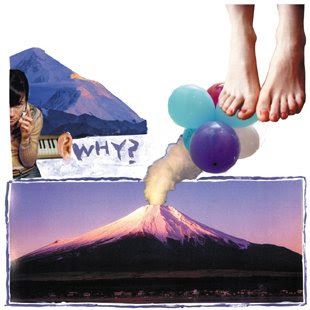
7.) Elephant Eyelash by WHY? (2005): Somehow by abandoning melody and embracing nebulous chord structures (with a dash of hip-hop), Elephant Eyelash manages to achieve the impossible - it communicates a totally original style without pretension or alienation. Allow yourself to get caught up in the inventive rhythms, the quirky instrumentation, and the unusual lyrics laced with imagery, and you won't be disappointed.


6.) Back to Black by Amy Winehouse (2006): By blending 21st century cynicism with traditional R&B songwriting, Winehouse gives listeners a spellbinding reinvention of Motown - complete with playful hooks, comfortable arrangements, and stunning genius. Other than our songstress's smoky vocals, which heat and cool in equal measure, the album's real success is its total lack of irony - the style is genuine, resonating with unpolluted sincerity - something we need more of in contemporary pop music.


5.) The College Dropout by Kanye West (2004): Without question or doubt, this is hip hop's best record of the 2000's. With lively flow (which, unexpectedly, is devoted to musicality instead of lyricism), engaging themes, grabbing beats, and incredible hooks, it's an extraordinary debut for West and a high note for fans of the genre.


4.) Stadium Arcadium by Red Hot Chili Peppers (2006): The individual records in this double album are named "Jupiter" and "Mars," and truly they each communicate worlds. Stadium Arcadium is a musical powerhouse that delivers everything from momentous rock to sing-song folk, from bottomless funk to trickling lullabies. Each member of the band performs at his musical zenith, and the chemistry they share together is kindred. The result is the best rock album of the decade, and perhaps one of the best ever recorded.


3.) Illinois by Sufjan Stevens (2005): This incredible concept album (which focuses on, you guessed it, the state of Illinois) has an unavoidable way of redefining musical sensibilities and shaping pop expectations for those curious enough to listen. Stevens entrances you with hypnotic stories and intricate arrangements, ones that lace softly atop each other with a naturalism unrivaled in the decade. Its lilting melodic flirtatiousness, coupled with a slick production, borders on the sublime. If you have no reservations about an album that dares to take chances, and then dares to commit to those chances, then look no further. 

2.) American IV: The Man Comes Around by Johnny Cash (2002): A perilously dusky examination of an old man's soul, this uncompromising collection of songs exposes the tragedy of a life near its end, and the latent horror of a realization thereof. Cash's craggy vocal performance will imprint itself on your heart, his sickly sweet arrangements will percolate in your brain. This is a stunning record, one of loss, love, and hopeful redemption.


1.) Classical Brubeck by Dave Brubeck and the London Symphony Orchestra (2003): In this, my pick for the best album of the last decade, we find jazz icon Dave Brubeck composing a transcendent collection of symphonies and recording them with the always-incomparable London Symphony Orchestra. This multifaceted compilation is marked by its rhythmic innovation, its melodic irony, and its overall breadth of musicality. You'll marvel at Brubeck's ability to construct chorales into kingdoms, and then realize you're only just scratching the surface. There's so much going on in these pieces - each one feels like a thriving ecosystem, teeming with life and possibility and wonder. It's hard to put into words how wonderful this album is, so I'll simply encourage you to give it a listen, and become enraptured.  

Tuesday, June 5, 2012

Stephen King's "Dark Tower" Series

To dismiss the flagrant genius of Stephen King is to ignore some of the richest, most imaginative fiction of post-modern American literature. Lying at the heart of his enthusiastic canon, which boasts over 50 titles, is The Dark Tower series - an 8-book magnum opus whose girth is hardly indicative of its ambition or its success. It even ties together several of his best books (Salem's Lot, Hearts in Atlantis, It, The Stand) and a few of his less notable novels (Desperation, Insomnia, The Eyes of the Dragon) into a stunning uber-narrative with shared characters, settings, and concepts. It also makes use of literary milestones like The Wizard of Oz, Harry Potter, and the poetry of T.S. Eliot and Robert Browning. If you consider yourself above reading King, for there are many who stupidly assume they are, then I suggest a serious reeducation is in order. Start here.  There are no spoilers in the following paragraphs, I assure you.

- The Little Sisters of Eluria (1998): We'll start chronologically not in terms of publication, but rather story. This one, notably appearing in King's 2002 short fiction anthology Everything's Eventual, introduces us to Roland Deschain of Gilead, our protagonist for thousands of pages to come. Perhaps more importantly, however, it introduces us to his quest: Roland seeks the Dark Tower, a structure that both contains and sustains the essence of all existence. In his novel Hearts in Atlantis, King describes it as the "still spindle" around which all worlds and dimensions spin, so let's think of it thusly. At this point, we're not quite sure of the purpose of this quest (is the tower in danger? Is it falling? What?), only that Roland is alight with altruistic intent. The setting is an eccentric place called Mid-World, which exists somewhere in the periphery of Earth, with appropriate and ironic overlaps sprinkled throughout.

(*whew*) Okay. Now on to an actual review.

This is an incredibly enjoyable story, defined by its swift pace and measured horror. Both of these indispensable elements stem from King's iconoclastic re-imagining of classic vampire mythology, and his ability to drop Roland squarely therein. While this might not be one of the more memorable entries in the series, it does a fine job making the outlandish seem grounded, which is a mentality you'll need to hang onto in order to effectively enjoy the books to come. Final Grade: B

- I: The Gunslinger (1982): "The man in black fled across the desert, and the gunslinger followed." With this simple lyricism, so officially begins The Dark Tower series. Already familiar with Roland and his mission, we now learn that he is a "gunslinger" - an oddly fitting blend of wild west cowboy and mid-evil knight - who upholds order and justice throughout the rapidly disintegrating Mid-World. We also meet a villain called "The Man in Black." Anarchistic, demonic, playful, and wholly unsettling, this antagonist is arguably the novel's best attribute. For the record: this character is also the villain of The Stand and The Eyes of the Dragon. Didn't I say there'd be overlaps with some of King's other novels?

But recurring characters notwithstanding, there's plenty to enjoy here: the prose is clear and efficient, the plot is uncomplicated, and the characters are engrossing. At times you'll probably feel buried beneath an avalanche of unanswered questions, loose ends, and esoteric jargon. This might be the book's only condemning quality, but it's a big one. Final Grade: B+ 

- II: The Drawing of the Three (1987): Picking up exactly where its predecessor left off, this second Dark Tower novel is easily the quirkiest in the series, typified by drastic changes in character, setting, pacing, and overall tone. Where The Gunslinger presents a quaint story with a simple structure, Drawing illustrates the outer limits of King's expansive imagination, memorable for the characters it introduces (Eddie the junkie, Detta/Odetta the psychotic, and Jack Mort the sociopath) and the narrative chasms that span between them. Each page feels like it's screaming, cluttered and disjointed and utterly inescapable, as King bounces us from one setting to another, one character to another, one extreme to another. Lots of people claim that this is the best book in the series. But for me, the bipolar madness is distracting and, well, maddening. I like it, however only begrudgingly. Final Grade: B- 

- III: The Waste Lands (1991): In all sincerity, you'll be hard pressed to find a novel as taut with excitement, as steeped in character drama, as lofty with creativity, or as sharpened by horror as The Waste Lands. Personal favoritism notwithstanding (and, with all confidence to the affirmative, this one certainly is), this is one of the best novels I've ever read, with King making full use of his many talents in order to achieve the sublime. There's not much I can actually say about this one, as it's so steeped in its own mythology that to utter even a passing triviality could reveal some pretty serious plot points. But, I will say that the new characters are captivating - from tenacious Oy to menacing Blaine - and the grand finale in the deserted cityscape of Lud is breathtaking. This is a highpoint in King's career; as grandiose as 11/22/63, as scary as It, and as intimate as The Green Mile. The Waste Lands are hardly a waste. Final Grade: A+ 

- IV: Wizard and Glass (1997): ...and then there's book 4, Wizard and Glass. A friend of mine has stated on more than one occasion that he thinks this is the high-water mark of the series.

Suffice it to say, I seriously disagree.

While this certainly isn't a bad novel, nor even the worst Dark Tower episode, I can't help but be annoyed by it. Firstly, it's long. Real long. Like, 800 pages long. Second, it's slow. Real slow. Apart from the very beginning and very end, which are fantastic, the middle 600ish pages inch by, your eyes trudging a Dickensian march to the end just for the sake of getting there. Third, the entire premise of the book is focused on Roland's past. This would be okay, perhaps even riveting, if not for the bloated dramatic irony King slathers across each sentence. Honestly, you know the ending well before it comes to fruition.

Don't get me wrong, this book is not without its charm. There are some very nice moments of suspense and (surprisingly) romance. And the beginning and end act like grand parentheses for the "main" story, and are truly excellent. All in all, it's more or less decent. Final Grade: C

- The Wind Through the Keyhole (2012): At first, the idea of this novel made me balk. What? King is going to write another Dark Tower book, and shove it between books 4 and 5? The series was finished almost a decade ago - why do we need this?

And yet, after reading it, I cannot be happier. The Wind Through the Keyhole is a terrific yarn, one that feels most appropriate near the swirling glow of a campfire and roasting slowly-blackening marshmallows. It is a modest fairytale, framed within the context of the Dark Tower journey. Once again, Roland is relating a story to the series' other main characters (slightly reminiscent of, dare I say, Wizard and Glass), only this time King gets it right. The tale is uncomplicated, lean, and splashed with latent possibility. Maybe most fascinating of all, is that in the midst of Roland's story, he begins telling another to run alongside it, bridging the gap between fiction and reality, drawing parallels between them and finding truth in fantasy. This is a terrific book, and could possibly be read without reading any of the others. Although I have a strong inclination to forbid this, I cannot resist saying "Go for it, anyway." This is a wonderful story. Truly wonderful. Final Grade: A+ 

- V: Wolves of the Calla (2003): This is the novel where things get really interesting. Because of this, it also marks another "I-can't-mention-too-much-of-anything-without-giving-things-away" moment. Sorry. What I can say, is that this is another marvelous entry in the overall series. Essentially, Roland and company are charged with protecting a small borderland town (near the black expanse of devastation known as "Thunderclap," which holds the Dark Tower) from hordes of terrifying creatures known as "The Wolves," who raid and plunder their village every few decades. In the village, you get to know an assortment of intriguing minor characters, the best of all being Father Callahan - one of the protagonists from Salem's Lot.

Honestly, this is just a fun read; teeming with plot, and blossoming with new characters, threats, and challenges. It's also, maybe, one of the weirdest books I've ever read. Seriously. Somehow, this book wraps Marvel Comics, Harry Potter, Star Wars, and Stephen King himself all into the narrative. But it's great. The ending is awesome, and will leave you unable to restrain yourself from starting in on book 6. It doesn't have quite the success of Waste Lands or Keyhole, but it gets the job done with absurd action and surreal storylines. Final Grade: A- 

- VI: Song of Susannah (2004): Well, here we are on the precipice of finishing this epic series, and we have a stinker. Yep - it's not really a good entry at all. This one actually borders on bad, which really bothers me. (*sigh*) I guess you can't win 'em all.

Song of Susannah is a muddled mess, a disjointed array of plots, subplots, characters, and revelations that will make you confused, annoyed, and bored. Thankfully it's not a total wash, for there do exist a few enjoyable moments, notably a few intriguing action scenes. But all in all, it's not good. As readers, we finally get some things clarified about Mid-World and Roland's quest, but they shed more darkness than light, necessitating ubiquitous rereading and scanning missions until the words stop making sense and it all becomes a nauseous blur. Yeah, it mostly coasts along on its brevity and goodwill established from previous entries. Maybe I'm being a little too harsh, but honestly, this book is an absolute step down from the rest of the series. Yuck. Final Grade: C- 

- VII: The Dark Tower (2004): Fortunately, with great relief, I am here to tell you that the final installment in the series is very, very good. Great, even. Drama and action abound, with tension strangling you from paragraph to paragraph. The resulting catharsis is darn near excruciating (you will cry...at least once), but invigorating. Again, you encounter a number of characters from other King novels, like Ted from Hearts in Atlantis and Patrick Danville from Insomnia. These cameos never feel forced, either. They just slot right in like they were meant to be there. It's fantastic.

Here at the end of the series, the settings are grander than grand, the conflicts more insurmountable than ever, and it all equals a tremendously satisfying reading experience. It's not as much fun as some previous entries, and this blatant absence can sometimes generate more pain than enjoyment, but this is probably the only detrimental element of the novel. Fans and readers are known for having mixed feelings about the ending (the ending ending, hidden in the afterward), but I absolutely adore it. It just feels...right. Like coming home. Final Grade: A+    

Monday, May 28, 2012

Marvel Cinematic Universe - Phase 1


So, I suppose I'm a tad late on this review, but I only started this blog a week(ish) ago, so you'll all have to find it in your hearts to forgive me. Sorry! Now read and enjoy!

Iron Man (2008): I absolutely adore this movie. Centered on eccentric billionaire Tony Stark, the film follows him from narcissistic playboy to horrified POW to (nearly) selfless superhero. The great Robert Downey, Jr. plays Stark with astute precision and great care - his egoism sparkles, his fear is palpable, his self-realization and subsequent atonement are heart-swelling. Take this fearless performance and stack it alongside phenomenal special effects, a wonderfully lean plot, and some marvelous moments of genuine humor? You've got yourself one hell of a movie. What a fabulous way to kick off the MCU. Final Grade: A+

The Incredible Hulk (2008): Although this flick made quite a bit of money and received decent reviews from critics, it is for some reason widely detested by fans and casual moviegoers. Why, when there's so much to enjoy? For one thing, the acting is excellent. Edward Norton plays Bruce Banner with a timidity of heart that is, frankly, a breath of fresh air. William Hurt is terrific as always, pulling off Gen. "Thunderbolt" Ross as equal parts domineering warrior and horrified father. His character's daughter, Dr. Betty Ross, is played by Liv Tyler, and every fallen tear drips truthfully, every hushed gasp resonates with authenticity. Tim Roth, who portrays villain Emil Blonsky, radiates with malice.

Sure, this movie has its drawbacks. The pacing slows to a trudge after its setting changes from the squalid splendor of Brazil to that of Virginia. The special effects aren't always perfect, occasionally rendering The Hulk a little too much like a video game monster instead of a living being. The cameo at the film's end is distracting, reeking of desperation.

But, I still kinda enjoy this one. The characters are well-rounded, the premise is ingenious, and the action scenes are unavoidably fun (especially the race through Rio de Janeiro at the end of the first act). It ain't bad, but it ain't great. Feel free to skip this entry if you like, but you're missing out on a fun first act. Final Grade: B- 

Iron Man 2 (2010): After all the charisma and weight of Iron Man, everyone knew a sequel would be hard to pull off. And yeah, this uphill battle is clearly evident in Iron Man 2. Sure, this movie is okay, but is it really the best they could have done? The plot is overstuffed, crowded with too many characters and too many brainless action scenes. Subsequently, the pacing is a bit off, with some sequences propelling the plot with F-14 velocity, and others slouching by at a crawl. The villains are somewhat interesting - especially the smarmy Justin Hammer, played by Sam Rockwell - but their motivations and methods are ultimately uninspired. Yet there are some nice moments. Downey, Jr. once again does a marvelous job portraying Stark, the special effects are wonderful, and the palladium poisoning plot is rich in allegorical detail. Unfortunately, the whole thing kinda just...exists. It's intermittently fun, intermittently engaging, and intermittently lame. Bonus points are of course awarded for introducing Don Cheadle and Scarlett Johansson to the series. Final Grade: B  

Thor (2011): And yet, while I'm somewhat unimpressed by Iron Man 2, 2011's Thor sinks to even deeper depths of mediocrity. Disregarding the performances of Hemsworth and Hiddleston, the film's hero and villain, respectively, the entire production sags like a week-old helium balloon. The plot ambles aimlessly from point to point, only occasionally taking time to meditate on the characters and settings that comprise it. The design is breathtaking, sure; the sets, costumes, and overall environments are imaginative and incredibly unique. But beyond that, I can't really get into this one. It has a barely-thereness that is really disappointing. I like the characters, I like the look, but it's all so bland. To be fair, I'm making this movie sound a lot worse than it may actually be. Just the same, the standards set by its predecessors weren't met in the slightest. This is average. Anything better is pretty good, anything worse stinks. Purgatory, thy name is ThorFinal Grade: C 

Captain America: The First Avenger (2011): Barring the awkwardness of its title, this movie is an absolute blast. It's not quite the weighted character study that is The Incredible Hulk, nor is it the practically sublime success of Iron Man, but it is a fantastic summer action flick that delivers in all the right areas. Our hero, Steve Rogers (played expertly by Chris Evans), is charming and humble - he instantly wins your heart with his vigor, his courage, and his sincerity. Thankfully, the storylines are easy to follow, yet avoid that irritating spoon-fed quality of which so many movies are guilty. Big action scenes are numerous, yet justified by the plot. Surely the movie's most substantial success comes in the last precious minutes before the credits role, in which everything is turned upside-down and our fearless captain is left haunted and lonely. This film might not be perfect (I have to say it: the main villain is cheesy and lackluster), but it's a great blockbuster. Lots of folks have compared this movie to an Indiana Jones-style romp, and that's a pretty apt description. Good times, all around. Final Grade: B+

The Avengers (2012): Well, it's all come down to this. 2012's The Avengers, which takes characters and plots from each of the preceding five films and weaves them together, is a veritable avalanche of pop entertainment. It provides all the excitement and adventure that a story of this scale could possibly tell, and does so with style, flair, and appropriate attention to its many characters. Astounding set pieces and dazzling special effects (thankfully filmed with clear, concise cinematography) keep your eyes glued to the screen and your brain oblivious to the movie's lengthy run time.

Like I mentioned before, time is taken to consider characters and examine the emotional components therein. Tony Stark is brimming with egoism, but is charged with finding a role within the team and pushing his personal limits. Steve Rogers is torn between blind loyalty and his own ardent moral compass. Thor feels personally responsible for his brother Loki's reign of terror on Earth. Agents Natasha Romanoff and Clint Barton are constantly battling for revenge, while all the while tacitly attempting to justify their love, whether platonic or otherwise. Oddly enough, though, the real scene-stealer is Bruce Banner, now played by Mark Ruffalo. He's a nervous, contentious cauldron of horrific potentiality, threatening to boil over at any moment. It's through these characters and how they interact with each other that the movie achieves its success. The mixture is sometimes funny, sometimes sad, and sometimes flat out awesome.

This is none more evident than in the movie's epic finale on the streets of Manhattan. Choreographed to maximize audience excitement and catharsis (and also edited seamlessly), each superhero's talents are showcased and the results are simply stunning. In many ways, the last twenty-five minutes outshine the previous two hours. It's that much fun to watch.

And yet, I'm not without my criticisms. I think the first act tastes a little cheesy, with actors spouting cliche sentiments and monologues for no apparent reason. The scenes that focus on the otherworldly villains are equally awkward, the stylistic differences from the rest of the movie practically insurmountable. Said otherworldly villains, notably the alien army, is vaguely humdrum, unoriginal, and uninteresting.

But, at the end of the day, this movie is exceptionally fun. Regardless of its minor faults, it is (and may always remain) the best Marvel movie. I honestly don't have a clue how they'll top it in the future. Final Grade: A 

Tuesday, May 22, 2012

"Batman" Films

With The Dark Knight Rises just around the corner, I figured a comprehensive look at all the live-action Batman films would be appropriate. So, without further ado, here they are:

Batman: The Movie (1966): What an awesome movie this is. Seriously. From absurd action sequences and set pieces ("Some days you just can't get rid of a bomb!"), to unreservedly cartoonish performances, the entire production simply drips with kitsch. If you have no reservations about a comical Caped Crusader, about ludicrous plot lines, about the total ridiculousness of "Anti-Shark Spray," then please see this flick. Sure, sometimes the movie's inaccessibility can make it feel boring, but who cares? Just sit back, suspend your disbelief, and laugh until it hurts. Final Grade: B 

Batman (1989): I get it. I get that the audiences of 1989 were floored by this film's grit, its dark humor, and its overall inventiveness. I get all that. What I don't get, is why hordes of fans (literally hordes of them) still worship Batman like it's the friggin' epitome of comic book adaptations. Yes, it's cool to look at (Tim Burton's quirky style is anything but inconspicuous - visible in the Gotham skyline and Wayne Manner and just about everything else). Yes, Jack Nicholson's performance as The Joker is hilarious and strangely chilling. Yes, Michael Keaton's Bruce Wayne is unavoidably compelling. But, I hate to say it, the movie doesn't stand the test of time. The editing is discomfited and oddly paced, resulting in soggy action scenes that seem to go on forever. The plot is thinner than the paper the script was printed on, giving only cursory glances to character motivations, subplots, and consequences. I just can't get into this movie. However, lots of people adore it, so I still suggest you check it out. Final Grade: B- 

Batman Returns (1992): Once again, I'm not quite as enamored with this film as everyone else seems to be. Apart from all the cool imagery (Tim Burton returns again as director) and seeing Michael Keaton return as Bruce Wayne, this installment in the franchise is jank. All of the warped realism of Batman is abandoned, leaving behind a flat aftertaste of absurdity. This time out, there are three villains: Catwoman (Michelle Pfeiffer), The Penguin (Danny DeVito), and Max Shreck (Christopher Walken). Pfeiffer shines in scenes only before her character transforms into a supervillain, characterizing Selina Kyle as a neurotic bundle of jangled nerves - her efforts thereafter, in which she is supposed to simmer with sensuality, ultimately feel forced. DeVito is a total flop, only succeeding in looking the part, as opposed to acting it. As usual, Walken is fairly interesting, but the character doesn't see enough screen time to be of any real merit. Like its predecessor, the plot is essentially nonexistent, which is aggravating considering how rich the Batman literary cannon is. There's a lot to talk about after seeing this thing, which is the only reason I encourage you to endure it. You can learn a lot about yourself by watching Batman Returns. Final Grade: D+ 

Batman Forever (1995): Okay, we're now returning to the frothy shores of camp. Follow me onto the bubblegum sand, won't you? Although most everybody detests this addition to the series, I can't help but get some kind of sick, juvenile enjoyment out of it. The plot is ludicrous, with storylines basically existing only to rationalize blowing stuff up. The acting is atrocious (both Tommy Lee Jones and Jim Carrey, who portray Two-Face and The Riddler respectively, seem to be in competition as to who can chew the most scenery), with dialogue that resonates falsely at all the wrong times (during a particularly tense emotional scene, Bruce Wayne casually asks his potential love interest, "Tell me, doctor - have you ever been to the circus?"). So yes, this movie is a train wreck, but it's a fun train wreck. Fun - an element which is missing in the previous two films. The abundant humor doesn't quite make it more interesting than Tim Burton's 1989 debut, but it's close. I hope you like the color green, because this movie uses it to an extent that is borderline nauseating. Final Grade: C 

Batman & Robin (1997): If you thought Batman Forever was campy, then wait until you get a load of this. Batman & Robin is unreservedly outrageous. It's an unparalleled disaster, a dizzying whirlwind of color and action that is just about as satisfying as a brain hemorrhage. And yet, here we are again, ladies and gentlemen - this movie is riotously funny. Falling into that "It's so bad it's good" category (a category that, you are surely learning, I'm obsessed with), the movie succeeds pretty aptly as a comedy. It's terrible, which means I can't give it a good grade, but it's deeply amusing, so here you go - Final Grade: C-

Batman Begins (2005): When it comes to this movie, I can be obnoxiously verbose. So, in the interest of brevity, I'll simply say - this film is fantastic. Director Christopher Nolan, responsible for such gems as The Prestige and Inception, takes the Batman mythology and injects an ardent reality that had been missing since Burton's Batman over a decade before. Bruce's story is once again palatable, and, thanks to a brilliant performance by Christian Bale, believable. The supporting cast of characters is equally impressive; from Michael Caine's heartfelt Alfred Pennyworth, to Gary Oldman's substantial James Gordon, to Morgan Freeman's charismatic Lucius Fox. The villains, played by Liam Neeson and Cillian Murphy, are excellent - the prior humming with authority and swift deadliness, the latter buzzing with menace and skittish violence. If there's one weak link, it's Katie Holmes, who seems utterly incapable of generating even the scantest chemistry with Bale. Other than that, this movie is great. The sets are breathtaking (from the snowy mountains of Tibet to the skyline of Chicago), the pace is breakneck, and the plot is marvelously constructed. Some of the CG effects are starting to show their age, but you become so invested in the story, you hardly notice it. All in all, this movie isn't perfect, but it's only minutely off the mark. If you haven't seen this yet, please, please do. Final Grade: A- 

The Dark Knight (2008): After seeing this movie for the first time in theaters on opening day, my friend Bill turned to me and said, "I think we should write a polite letter to congress, asking them to stop making movies." I was a little perplexed by this odd comment, so Bill clarified. "I mean, it's not ever going to get any better than this, so why bother?"

Ah. Very nice, Bill. I agree.

Christopher Nolan's The Dark Knight is a stunning film. It's a haunting morality play, one that intrigues the intellect and tugs at the heartstrings. This one takes everything that made Batman Begins great (the realism, the ingenuity, the fun), and delivers tenfold. The movie's tone is varied, daring to escape the punch-kick-sneer mentality that tends to trap lesser films within the genre. It sometimes feels like a gritty crime drama (like The Departed or L.A. Confidential), sometimes a pusling action extravaganza (reminiscent of The Bourne Identity), and sometimes an intimate character study (which, dare I say, brings to mind such classics as Taxi Driver and The Godfather Part II). Nolan flirts with such genres as romance and horror, but doesn't dwell there for long - this is a summer blockbuster, remember, so he didn't want to alienate the audiences he intended to astound.

And truly there is a lot to be astounded by. Once again the acting is exquisite, although the two villains truly steal the show. Of course there's The Joker, as portrayed by Heath Ledger. This multifaceted performance is the film's cornerstone; it is malevolent, hilarious, and astonishingly original. Whenever The Joker is on screen you can't help but stare at him - whenever he's not on screen, you wonder when he'll be back. The character's edge, razor-sharp and colored with anarchistic vitality, is a joy to watch. HOWEVER, one mustn't forget the movie's other central villain - Harvey Dent, aka Two-Face. Aaron Eckhart plays this character with authority and heart, giving the role a Shakespearean weight. He is sympathetic from beginning to end. You'll be amazed by how much you care for him (the special effects applied to his face are grotesque and excellent, by the way).

In all sincerity, I believe this isn't just the best superhero movie to date, but also one of the best films I've ever seen. It pleases lovers of both pop-cinema and classic film, intertwining entertainment and art with deftness and richness. Final Grade: A+